August is National Eye Exam Month – hear firsthand from Mindy Nash, O.D.
Updated JUN 4, 2023 • 4 min read

Summary in 30 seconds
Discover why an exam is needed and how often you should have your eyes checked. Also, learn best practices for clear and healthy vision, as well as the best ways to take care of your eyes.
Eyes are a window to your overall health.
“The eyes are the window to the soul” is an old phrase that conveys the idea that your eyes reveal your emotions. But did you know that your eyes are also a “window to overall health”? Yes, an eye exam with an eye doctor gives a picture of your overall health, evaluates your eye health, and obviously, tests your vision. August is National Eye Exam Month, which brings attention to the importance of a comprehensive eye exam.
Jump to content
- Why Eye Exams Are Important
- When Should You Get an Eye Exam?
- What Happens During an Eye Exam
- How to Keep Your Eyes Healthy
Why are eye exams important?
- The first good, sound reason for having an eye exam is to detect potential vision issues, such as nearsightedness, farsightedness, and astigmatism, that may cause school or work challenges. Your prescription for eyeglasses or contact lenses online is also determined if needed.

- Secondly, a comprehensive exam with an eye doctor (optometrist or ophthalmologist) also detects eye diseases, such as glaucoma and macular degeneration, that you may have and not know.
- Early on, many serious eye diseases often have no symptoms, making early detection critical to avoid permanent vision loss.
- Lastly, your eye exam may reveal signs of a systemic disease, i.e., a disease that affects the entire body. Your eye doctor may find signs of diabetes, high blood pressure, or an autoimmune disease just by looking in your eyes!
- Take note, a vision screening or online vision test is not a complete eye exam and does not detect eye or systemic disease.
When should you get an eye exam?
The American Optometric Association (AOA) recommends the following eye exam frequency for low-risk patients:
| Years of Age | When to Have Eye Exam |
| Birth through 2 | At 6 to 12 months of age |
| 3 through 5 | At least once between 3 and 5 years of age |
| 6 through 17 | Before first grade and annually thereafter |
| 18 through 64 | At least every 2 years |
| 65 and older | Annually |
If you are at risk for eye issues, then the AOA recommends more frequent exams.
How much does an eye exam cost?
Without insurance, the cost of an eye exam ranges from $50 to $250 depending on the location and practice. Health or vision insurance may help lower your out-of-pocket costs, so be sure to verify your insurance coverage and benefits before your exam.
What happens during an eye exam?
A comprehensive exam may include a/an:
- Review of personal and family eye history
- Review of personal and family medical history
- Vision test
- Eye pressure test
- Pupil test
- Test to see how your eyes perform together
- Microscopic examination of the front and back of your eyes
- Dilation
- Imaging of your retina (neural tissue lining the back of the inside of the eye)
How long does a typical eye exam take? Not long at all! Expect your eye exam to last approximately 30 minutes.
Tips on how to keep your eyes healthy.
Remember that the eyes are a “window to overall health”? So, taking care of your overall health can also keep your eyes healthy. Besides regular eye exams to catch eye disorders and diseases as early as possible, the following advice can help you to best take care of your eyes:
- Quit smoking to lessen your chances of getting macular degeneration and cataracts
- Wear sunglasses to protect from sun damage due to harmful ultraviolet (UV) rays
- Eat a well-balanced diet Foods high in omega-3 fatty acids (e.g., salmon and tuna) and dark, leafy greens (e.g., spinach and kale) are particularly good for the eyes
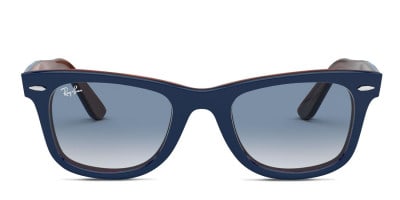 Square
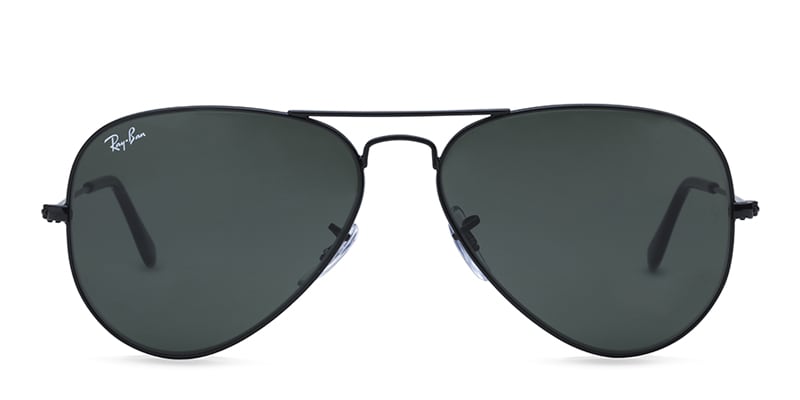 Aviator
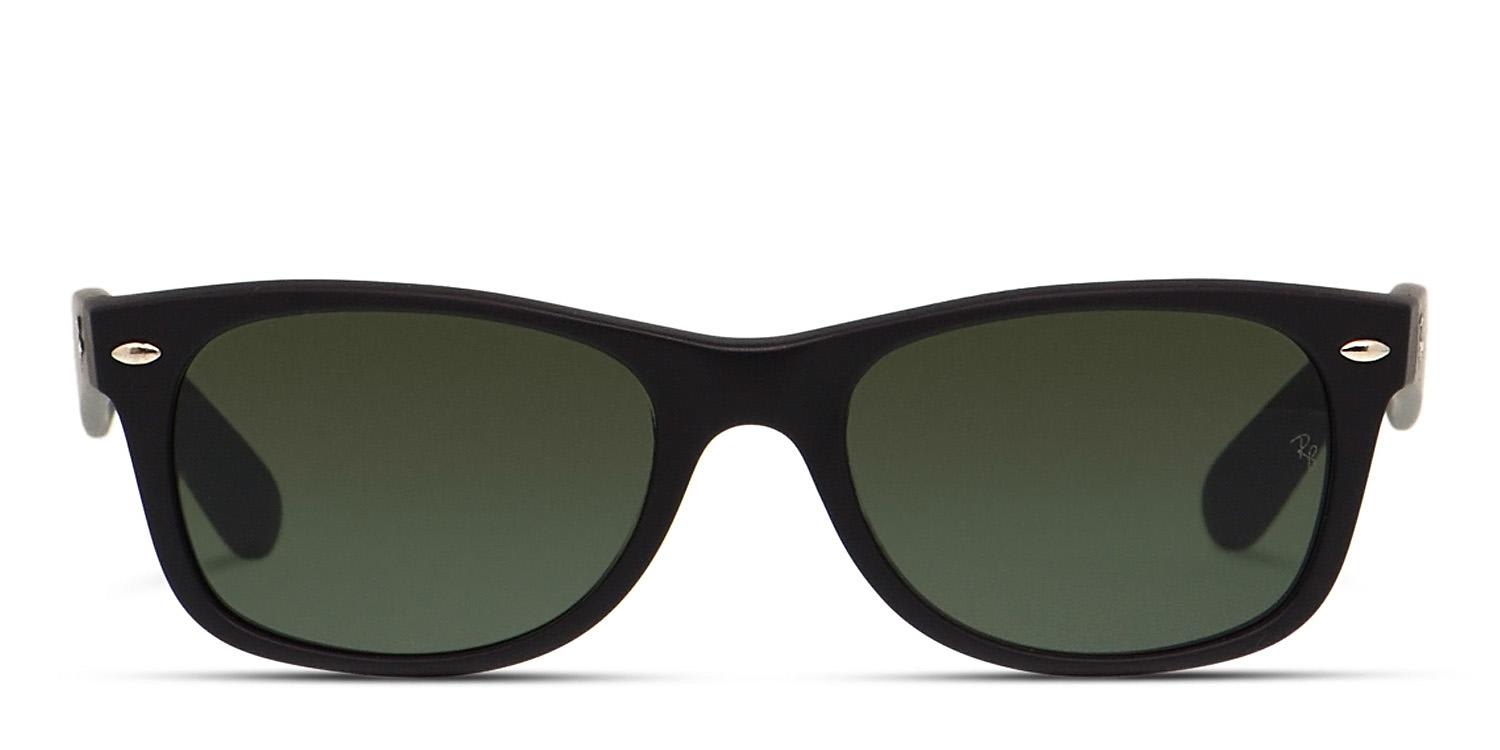 Wayfarer
 Rectangle
 Cat Eye
 Round
Round
- Take frequent breaks from looking at digital devices, such as your phone or computer, to prevent eye strain, dry eyes, blurry vision, and headaches
- The “20-20-20” rule reminds you to look 20 feet away every 20 minutes for 20 seconds.
- Blue light blocking glasses can also help reduce eye strain at the computer
Find more information on the best way to take care of your eyes.
Our website services, content, and products are for informational purposes only. GlassesUSA.com does not provide medical advice, diagnosis or treatment. See additional information.
Published August 23, 2022|Updated June 4, 2023
Related articles
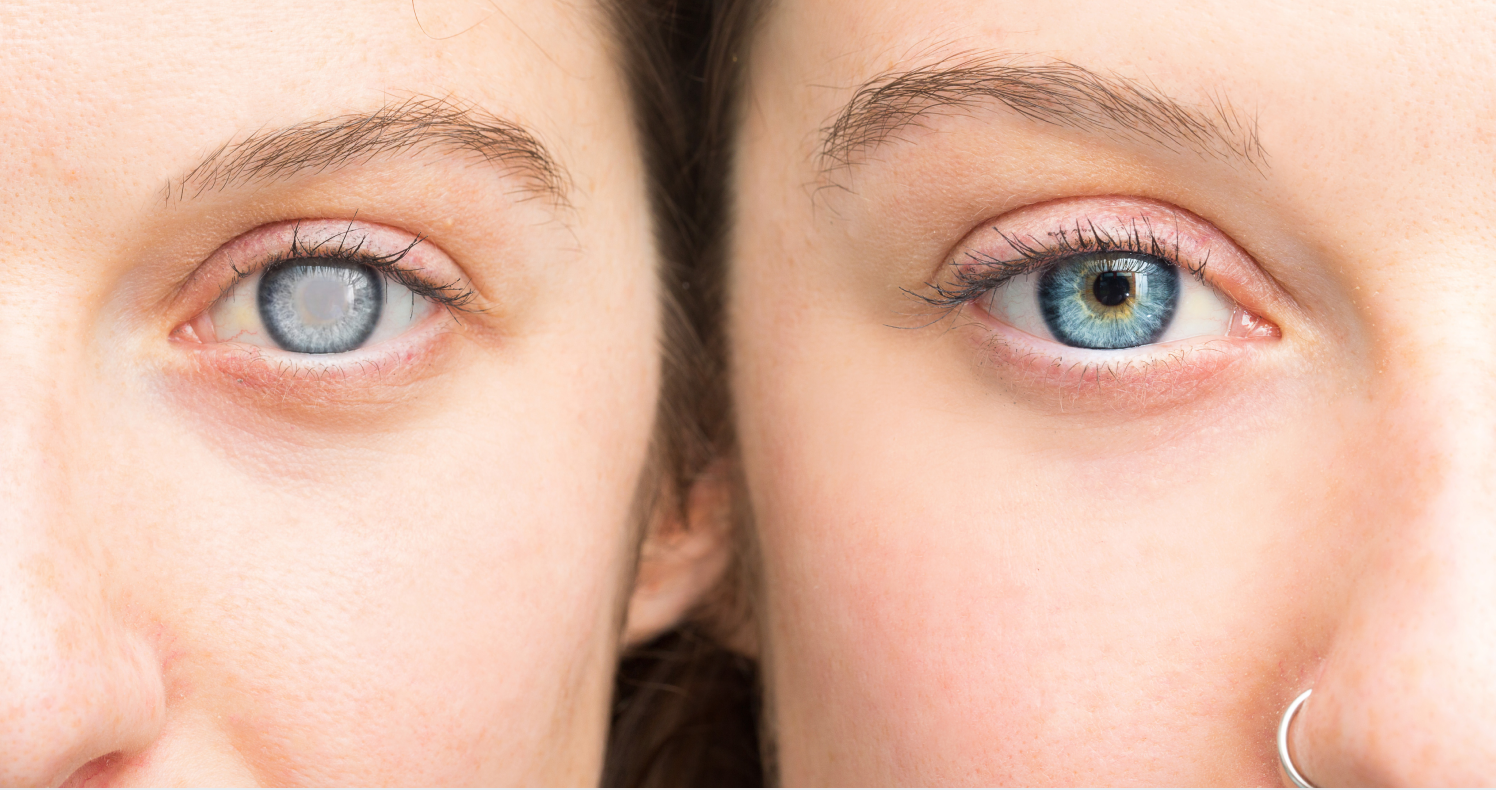
What are Cataracts?
We’re going to discuss the condition, including causes, treatment, surgery, and prevention.
7 Important Facts You Should Know about Astigmatism
What it is, causes, symptoms, treatment & tips

UV index & how to protect your eyes
What UV index is & how to protect your eyes.